

Galvanized iron wire, also called galvanized steel wire, is low carbon steel wire coated with a protective zinc coating to prevent rust and corrosion. It is widely used in construction, fencing, agriculture, and industrial applications because of its strength, flexibility, and long term durability.
Steel wire can rust quickly when exposed to moisture and air. The zinc layer helps act as a sacrificial barrier, protecting the steel underneath from corrosion. Compared with stainless steel wire, GI wire offers a more cost-effective solution for many applications.
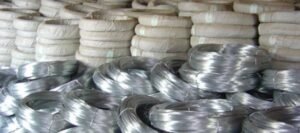
How is Galvanized Iron Wire Made?
Raw Material Selection
GI wire is produced from high-quality low carbon steel wire rod, which provides good flexibility and drawing performance.
The Drawing Process
The steel rod is drawn through dies to reduce the diameter and achieve the required wire size.
The Galvanizing Method
(1)Hot-Dipped Galvanizing
The wire is immersed in molten zinc to create a thick protective zinc coating.
Advantages:
Strong corrosion resistance
Better outdoor performance
Excellent long term protection
Hot-dipped galvanized steel wire is commonly used in fencing, agriculture, and construction.
(2)Electro-Galvanizing
Electro-galvanized wire uses electric current to deposit zinc onto the steel surface.
Advantages:
Smooth surface
Lower cost
Bright appearance
However, the zinc layer is thinner, making it more suitable for indoor or dry environments.
Annealing Process
Annealing improves wire flexibility, making the wire easier to bend and tie.
Key Specifications & Classifications
Wire Gauge
Common wire sizes range from BWG 6# to BWG 24# depending on the application.
Zinc Coating Mass
Higher zinc coating provides better corrosion resistance and long term performance.
Tensile Strength
Soft wire: flexible and easy to tie
Hard wire: higher strength and rigidity
Coil Weight
GI wire is available in small coils, large coils, or spool packaging.
Top Benefits of Galvanized Iron Wire
Rust Resistance
The protective zinc coating prevents direct contact between steel and moisture. Zinc can also act as a sacrificial layer when the surface is damaged.
Durability
Galvanized steel wire performs well in outdoor and humid conditions with minimal maintenance.
Flexibility
The wire is easy to bend, twist, and tie without breaking.
Appearance
Its clean silver finish gives products a neat and professional look.
Common Applications
Construction
Used as binding wire for reinforcing bars and concrete work.
Fencing & Security
Used for:
Chain link fence
Welded wire mesh
Barbed wire
Razor wire
Agriculture
Suitable for vineyards, greenhouse supports, and livestock fencing.
Daily Use
Also used in hangers, wire mesh, packaging, and household binding.
Galvanized vs. Stainless Steel Wire
Galvanized iron wire is more affordable and suitable for most general applications. Stainless steel wire offers better corrosion resistance in highly corrosive environments such as coastal or chemical areas.
For most construction and fencing projects, galvanized steel wire provides the best balance between cost and performance.
How to Choose the Right GI Wire?
Use electro-galvanized wire for indoor applications
Choose hot-dipped galvanized steel wire for outdoor or coastal use
Check zinc coating quality and adhesion
Verify wire diameter and tensile strength
Request supplier test reports (MTC)
Conclusion
Galvanized iron wire remains an essential material in construction, agriculture, and industrial manufacturing. Its protective zinc coating helps act as a sacrificial barrier against corrosion, providing reliable long term performance at a competitive cost.
With its durability, flexibility, and affordability, galvanized steel wire continues to be one of the most widely used wire products worldwide.