

When people think about erosion control or retaining walls, concrete is often the first material that comes to mind. However, gabion boxes are another popular solution. They are simple, durable, and widely used in construction and landscaping.
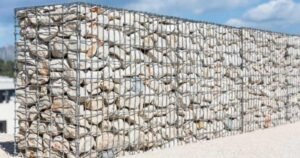
A gabion box is a wire mesh container filled with stones, gravel, or rocks. These boxes are stacked together to build strong structures. They help control erosion, support soil, and improve drainage.
The word gabion comes from the Italian word gabbia, which means “cage.” In the past, gabions were used for military defense. Today, they are common in civil engineering, water management, and modern landscape design.
Gabion boxes are popular because they are strong, flexible, and environmentally friendly. Unlike concrete walls, they allow water to pass through. This reduces pressure behind the structure and helps prevent damage.
How Are Gabion Boxes Made?
Gabion boxes may look simple, but the materials used are important for strength and durability.
Wire Materials Used
The wire mesh forms the structure of the gabion box. It must resist rust and weather damage.
1. Galvanized Steel Wire
Galvanized steel wire is coated with zinc. This helps protect the wire from corrosion.
Benefits:
Affordable
Strong
Good corrosion resistance
Suitable for many outdoor projects
2. PVC-Coated Wire
PVC-coated wire has a plastic layer over galvanized steel.
Benefits:
Extra protection against moisture
Better resistance to chemicals
Longer lifespan in wet environments
3. Zn-Al Alloy (Galfan) Wire
Zn-Al alloy wire combines zinc and aluminum coatings.
Benefits:
High corrosion resistance
Longer service life
Suitable for demanding environments
Types of Gabion Mesh
Gabion boxes are usually made in two mesh styles.
Woven Mesh Gabions
Woven mesh gabions use double-twisted hexagonal wire.
Features:
Flexible
Adapts to ground movement
Common for erosion control and riverbanks
Welded Mesh Gabions
Welded mesh gabions are made by welding wires together.
Features:
Strong shape
Clean appearance
Popular in landscaping and architecture
Common Gabion Sizes
Gabion boxes come in different sizes.
Typical dimensions include:
2m × 1m × 1m
2m × 1m × 0.5m
1m × 1m × 1m
3m × 1m × 1m
Common mesh openings include:
60 × 80 mm
80 × 100 mm
100 × 120 mm
The right size depends on the project and the type of stone used.
Key Benefits of Gabion Boxes
Gabion boxes offer several advantages. This is why they are widely used in construction and landscaping.
1. Good Drainage
Gabion boxes allow water to pass through gaps between stones.
This helps:
Reduce water pressure
Prevent drainage problems
Improve wall stability
Unlike solid concrete walls, gabions do not trap water behind the structure.
2. Long Service Life
Gabion boxes are designed for outdoor use.
The wire mesh and stone fill create a strong structure that can last for many years.
Over time, soil and plants may grow between the stones. This can make the structure even more stable.
3. Flexible Structure
Ground movement can damage rigid walls.
Gabion boxes can shift slightly without cracking. This makes them suitable for unstable soil or slopes.
4. Eco-Friendly Solution
Gabions use natural stone and blend well with the environment.
They also support vegetation growth and reduce environmental impact.
Environmental Benefits:
Natural appearance
Supports drainage
Low maintenance
Helps vegetation grow
Main Applications of Gabion Boxes
Gabion boxes are used in many industries.
Civil Engineering
Gabions are often used to support soil and protect structures.
Retaining Walls
Gabion retaining walls hold back soil on slopes.
Common uses include:
Roads
Highways
Residential projects
Railways
Slope Protection
Gabion systems help reduce erosion and prevent landslides.
Bridge Protection
Gabions protect bridge foundations from soil erosion.
Water Management Projects
Gabions work well in areas with flowing water.
Riverbank Protection
Gabions help prevent riverbanks from washing away.
Canal Linings
They support canal walls and improve stability.
Dam Reinforcement
Gabions reduce erosion around dams and spillways.
Landscaping and Architecture
Gabion boxes are also used for decorative purposes.
Garden Walls
They create a natural and modern look.
Outdoor Furniture
Gabions can be used to build:
Benches
Tables
Seating areas
Building Design
Some buildings use gabions as decorative exterior walls.
Installation Basics
Proper installation helps gabion boxes perform well.
1. Prepare the Site
The ground should be level and stable.
2. Assemble the Mesh Cages
Wire panels are connected to form the gabion box.
3. Fill with Stones
Stones can be added by machine or by hand.
Machine filling is faster.
Hand placement gives a better appearance.
The stones should be packed evenly.
4. Connect the Boxes
Gabion units are tied together to create a stable structure.
Bracing wires may also be added to keep the shape.
How to Choose the Right Gabion Box
Choosing the right gabion box depends on the project.
Wire Thickness
Thicker wire provides better strength.
Coating Type
The environment affects the coating choice.
Galvanized wire: General use
PVC-coated wire: Wet or coastal areas
Zn-Al alloy wire: Long-term durability
Mesh Opening Size
Mesh openings should match the stone size.
The stones must be larger than the mesh holes.
Stone Fill
The stone should be:
Strong
Durable
Weather-resistant
Large enough to stay inside the mesh
Common stone types include granite, limestone, and basalt.
Conclusion
Gabion boxes are a practical and reliable solution for many projects.
They provide strength, drainage, flexibility, and a natural appearance.
Gabions are used in retaining walls, riverbank protection, landscaping, and modern architecture.
Their simple design and long service life make them a popular choice around the world.
If you are planning a gabion project, it is important to choose the right wire type, mesh size, and stone fill.
Working with an experienced supplier or engineer can help ensure the best results.